
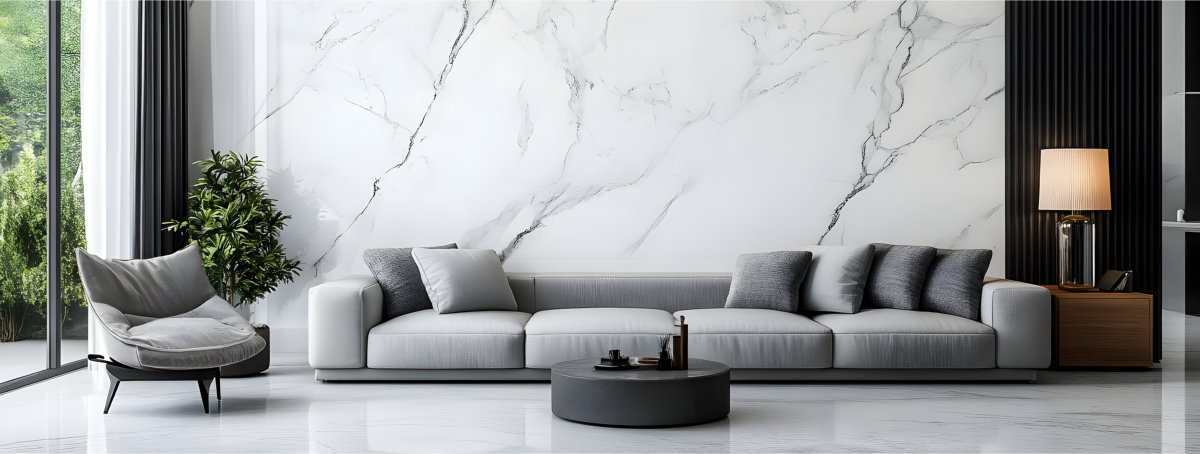
Quartz vs Sintered Stone: Which One Is Best for Your Kitchen?
When renovating your kitchen or building your dream home, one of the most important decisions is choosing the right countertop material. Most homeowners want a surface that looks beautiful, lasts for years, and is easy to maintain for daily use.
Two of the most popular options today are Quartz Stone and Sintered Stone. While both offer a premium look and strong durability, they have different features that make each one suitable for different needs.
What Is Quartz Stone?
Quartz stone is an engineered surface made from natural quartz crystals combined with resin and pigments. It is widely chosen for modern kitchens because of its elegant appearance, consistency in design, and low maintenance.
Quartz is non-porous, which means it does not easily absorb liquids, stains, or bacteria. This makes it a practical choice for busy households that want a clean and hygienic kitchen surface.
What Is Sintered Stone?
Sintered stone is a high-performance surface made by compressing natural minerals under extreme heat and pressure. It is designed to mimic the formation of natural stone, but with enhanced strength and versatility.
Sintered stone is highly resistant to heat, scratches, UV exposure, and stains, making it an excellent choice for both indoor and outdoor applications.
Quartz vs Sintered Stone: Key Differences
1. Appearance
Quartz offers a refined and consistent look, making it ideal for homeowners who prefer a clean and uniform finish. It is available in many colours and patterns, including designs that resemble marble.
Sintered stone often gives a more natural and contemporary appearance. It is perfect for those who want a bold, modern aesthetic with a premium feel.
2. Heat Resistance
Quartz is durable, but it is generally less heat-resistant compared to sintered stone because it contains resin.
Sintered stone performs better under high temperatures, which makes it a strong option for kitchens where hot cookware may come into contact with the surface.
3. Scratch and Stain Resistance
Both materials are known for their durability, but sintered stone typically offers higher resistance to scratches and extreme wear.
Quartz is also resistant to stains and scratches under normal daily use, making it a reliable option for most homes.
4. Maintenance
Quartz is very easy to maintain. It only needs regular wiping with a damp cloth and mild cleaner.
Sintered stone is also low maintenance and easy to clean, which makes it highly practical for modern living.
5. Best Application
Quartz is commonly used for kitchen countertops, islands, vanities, and interior surfaces.
Sintered stone is suitable for countertops, feature walls, flooring, cladding, and even outdoor installations due to its strong resistance to weather and sunlight.
Which One Should You Choose?
If you want a stylish, easy-to-maintain, and practical countertop for everyday kitchen use, Quartz Stone is an excellent choice.
If you are looking for a surface with exceptional heat resistance, modern design appeal, and wider application flexibility, Sintered Stone may be the better option.
Ultimately, the best material depends on your lifestyle, design preference, and how you plan to use the space.
Find the Right Stone Surface for Your Home
At Casero Stone, we offer a wide selection of premium stone surfaces for kitchens, feature walls, flooring, staircases, and more. Whether you are considering quartz, sintered stone, or natural stone, choosing the right material can transform both the look and function of your home.
If you are planning your next renovation project, explore designs that combine durability, style, and long-term value.